A great American neighborhood bar and grill makes a broad promise feel simple: a guest should be able to arrive for a drink, order a satisfying meal, and understand how the place works. It does not need an enormous menu or elaborate décor. It needs a clear identity and enough flexibility to serve more than one kind of evening.
The format sits between occasions. A solo diner, a couple, and a family can have different expectations in the same room. The strongest version handles those differences with thoughtful seating, a readable menu, and service that explains rather than assumes. The details below offer a way to evaluate the experience without relying on a rating or a fashionable label.
A clear menu is the foundation
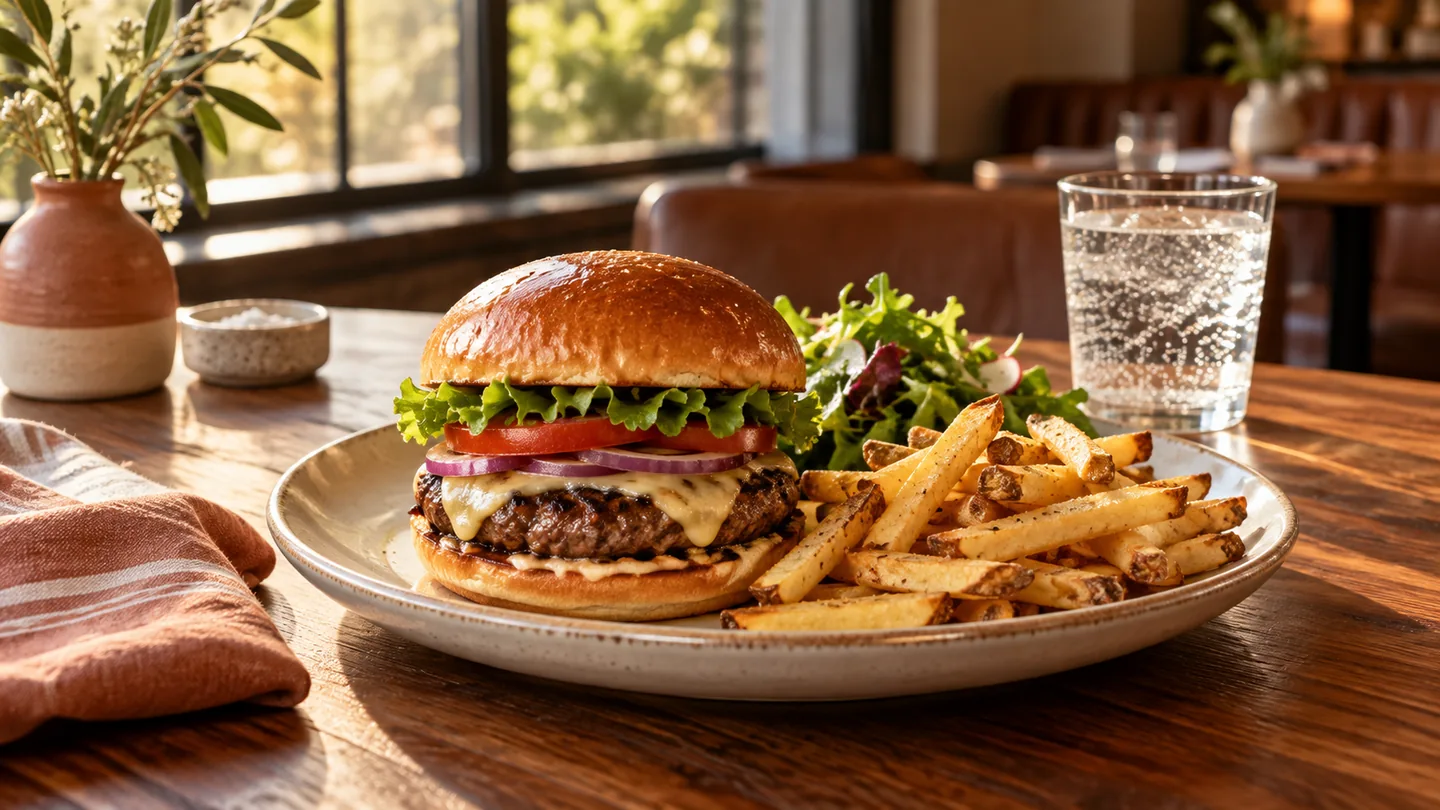
“Bar and grill” describes a familiar restaurant idea, but it does not guarantee a particular kitchen. One establishment may focus on burgers and sandwiches; another may emphasize grilled meats, vegetables, or regional dishes. The menu should tell guests what the restaurant does well rather than list every possible craving.
Useful variety includes different levels of appetite. A small plate, a substantial entrée, and a lighter option can let guests share a table without ordering the same kind of meal. A short menu can provide this range if the choices are meaningfully different. Repeating a protein across several sections is not necessarily useful breadth.
Descriptions should clarify the main preparation, accompaniments, and optional additions. If a dish is sold without sides, that should be understandable before ordering. If an add-on changes the price, the guest should not have to discover it on the bill. Our menu reading guide offers a practical way to assess those details.
The bar should support the meal
A bar can provide a comfortable place for a quick meal or a drink while waiting for friends. It can also dominate a room if the service layout, sound, or television placement leaves other guests feeling secondary. The question is whether the restaurant has made different uses coexist.
A useful drinks list is legible and balanced. Guests should be able to identify what is available by the glass, understand the size of a serving where relevant, and find appealing options without alcohol. A short, clearly priced selection can be more welcoming than a long list that requires specialized knowledge.
Service should make pacing easy to communicate. A guest ordering a drink before dinner may not want food immediately; someone at the bar during a short break may want the opposite. Staff cannot read minds, but a brief question about timing can prevent a mismatch. Guests can help by stating the kind of meal they have in mind.
Atmosphere has practical consequences
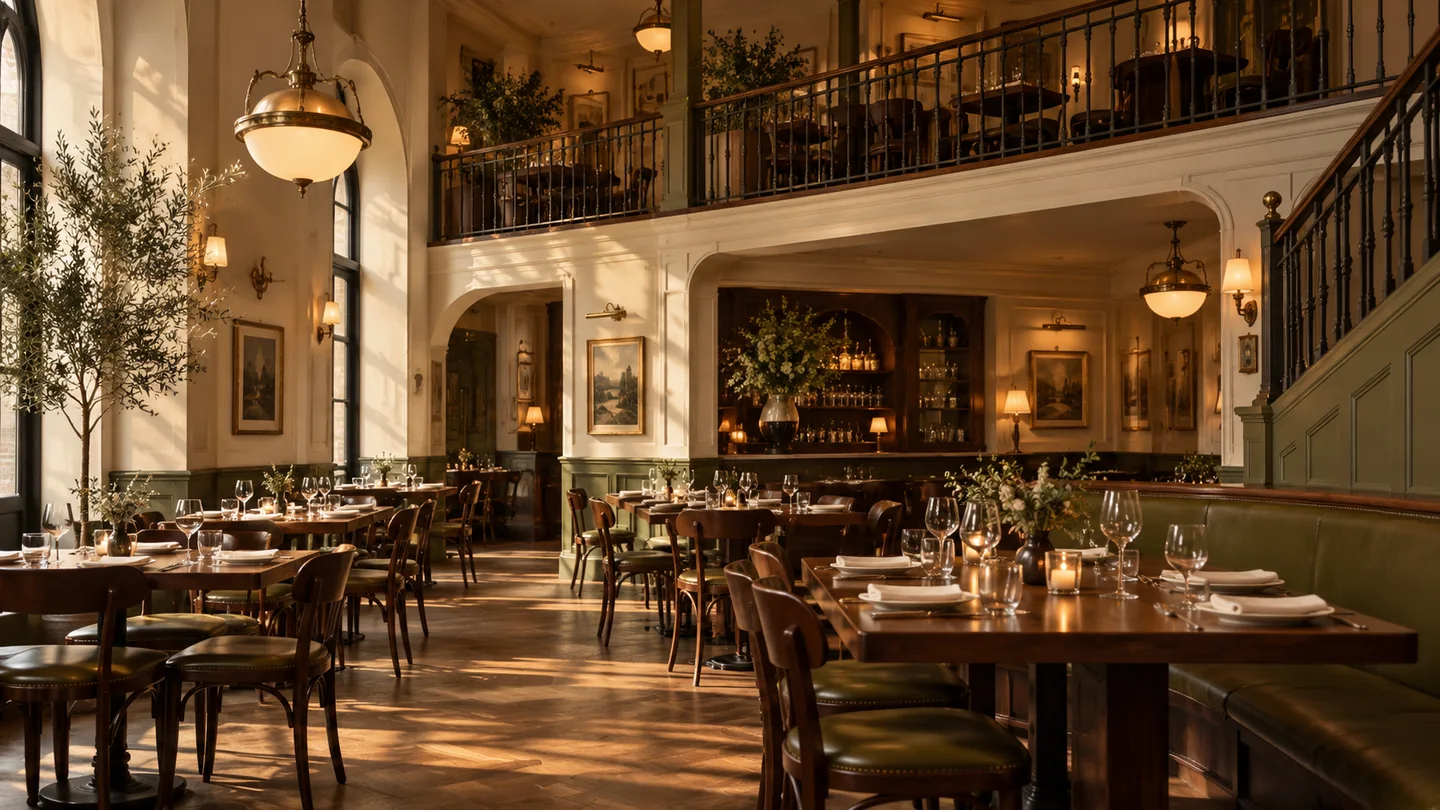
A warm room is not simply a dark one. Lighting needs to support menu reading and safe movement, while the arrangement of tables should allow people and staff to pass without repeated interruption. Visual character matters most when it supports those basic functions.
Sound is equally important. A room intended for lively conversation may reasonably feel energetic, but constant strain to hear a companion changes the experience. Guests planning a discussion should ask about quieter seating or less busy service periods instead of assuming every section sounds alike.
Different seats can serve different purposes. A booth may offer some visual privacy; a bar seat can suit solo dining; a movable table may be easier to arrange for a party. No photograph establishes whether a particular seat meets someone's access needs. That requires a direct question about the route, dimensions, and setup.
Consistency is more valuable than a giant promise
The idea of a neighborhood restaurant depends partly on repeat use. Guests want to understand what kind of meal they can expect. That does not mean nothing should change. Seasonal ingredients and specials can add interest, provided the core identity remains readable.
Consistency also includes communication. If a popular item is unavailable, an early explanation is better than a surprise after ordering. If the kitchen is busy, a realistic estimate allows the table to decide whether to wait. A restaurant can have an imperfect service and still treat guests fairly.
The same principle applies to cost. A diner should be able to estimate a meal from the menu and disclosed charges. Value is not a universal price point: it is the relationship between what was understood, what was ordered, and what arrived. Vague promises of generosity are less useful than specific information.
A neighborhood welcome leaves room for different guests
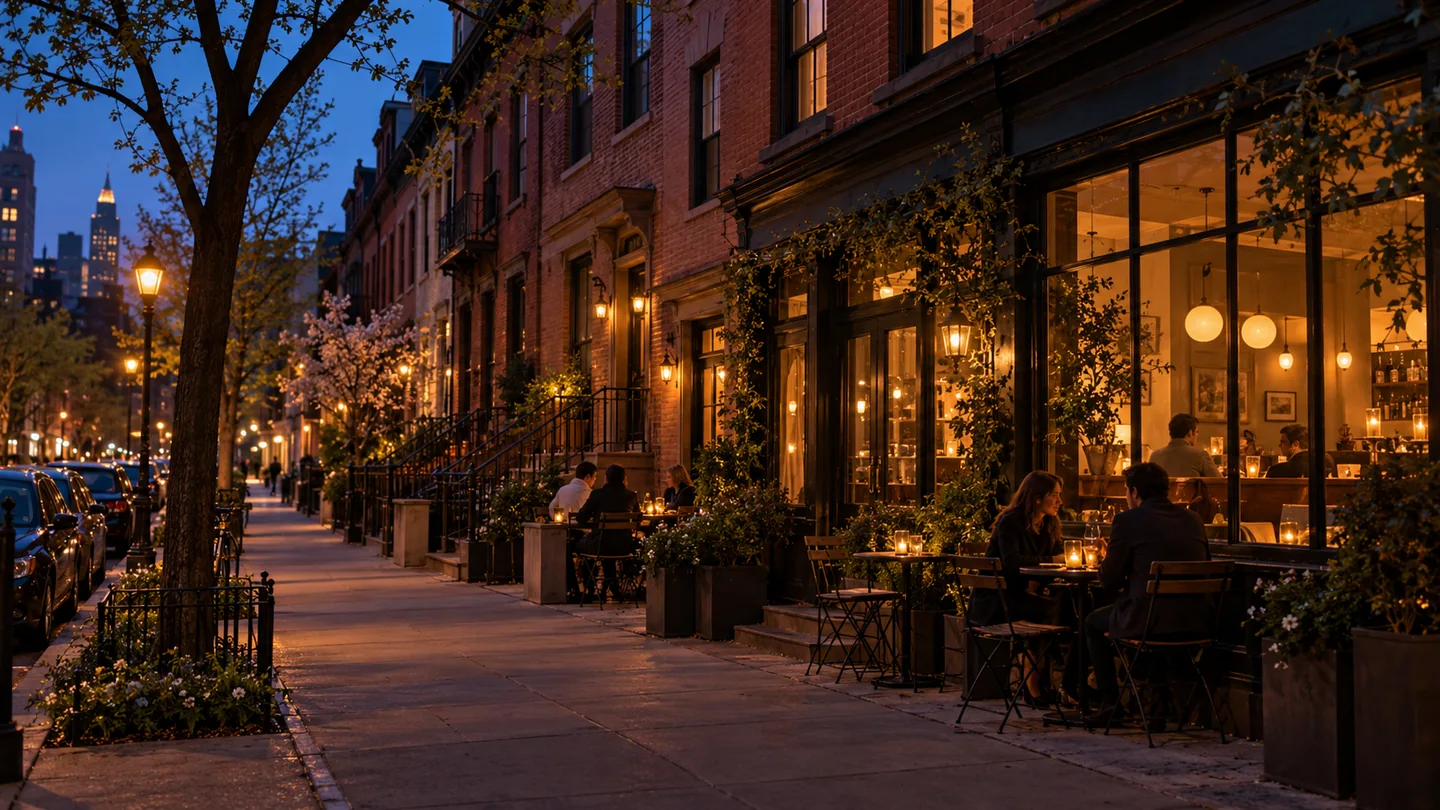
Familiarity can be a strength, but a first-time guest should not need to behave like a regular. Clear signage, a visible greeting point, and straightforward explanations help make the room accessible socially as well as physically. A restaurant's unwritten customs should not become a test.
Groups bring another set of needs. Before choosing a bar and grill for a gathering, ask whether the party can sit together, whether there are time limits, and how ordering and payment work. Our group dining guide explains how to settle those details without turning dinner into an administrative exercise.
Children, older guests, and people who prefer a quiet meal can have different comfort needs. A broad welcome does not require every table to suit every occasion. It requires honest information so guests can choose the right time and setting for themselves.
Judge the whole evening
A memorable dish can improve a meal, but the broader experience includes the arrival, the seating, the pacing, and the bill. These parts should work together. If a restaurant promises a relaxed neighborhood evening, the guest should not spend that evening resolving avoidable confusion.
The best version of the American bar and grill earns its place through usefulness. It offers a recognizable meal, a comfortable choice of how to spend time, and a welcome that remains clear on an ordinary day. Its character comes from doing those things well enough that returning feels easy.