Group dining becomes easier when the organizer settles the few decisions that affect everyone: the date, budget, seating needs, menu approach, and payment plan. The goal is not to control each guest's evening. It is to remove the surprises that make a shared meal awkward.
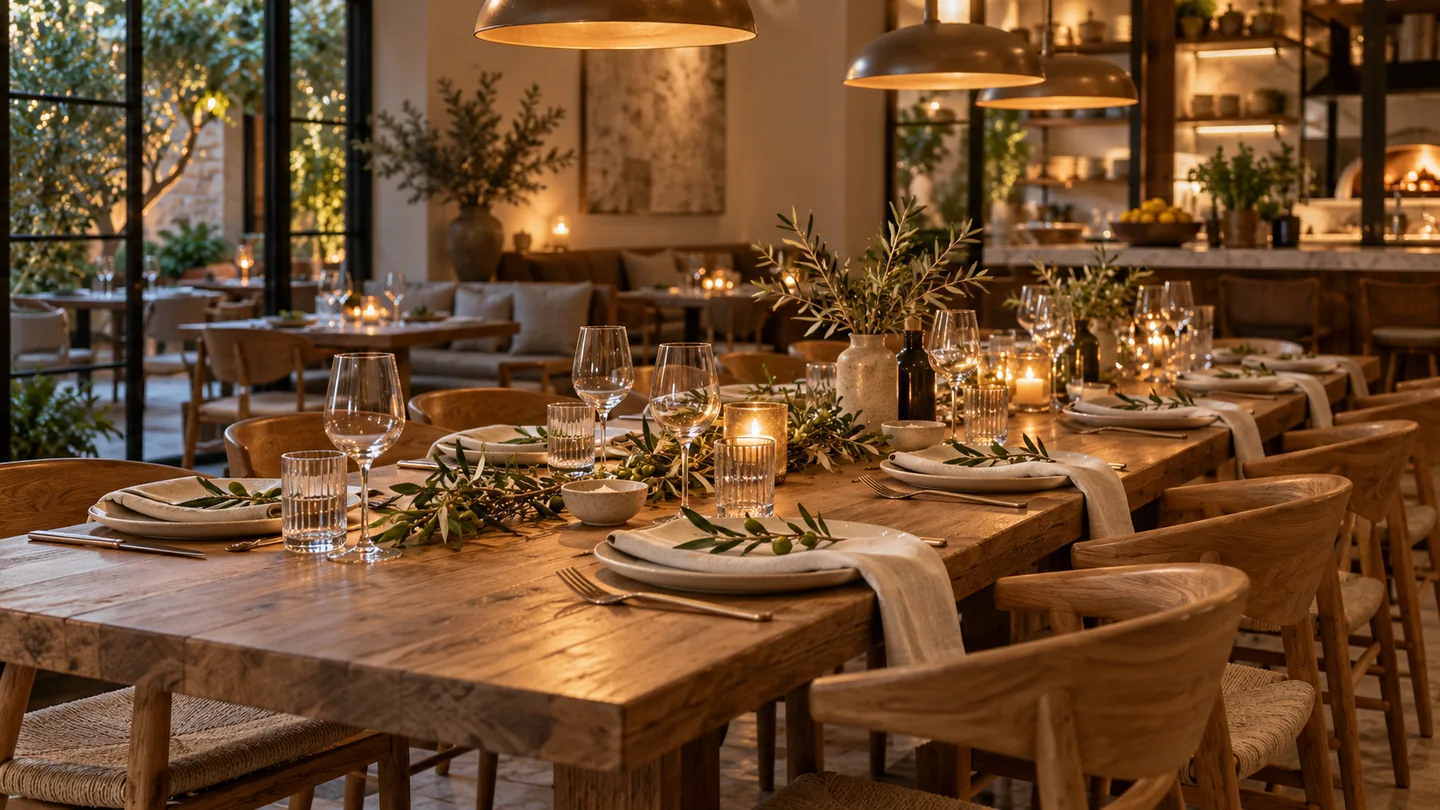
A large table in a photograph does not establish a restaurant's group-booking policy, and a successful dinner last year does not guarantee the same arrangement now. Begin with the actual party and occasion, then ask the restaurant to confirm what it can provide. Keep the final plan brief enough that people will read it.
Define the gathering before choosing the room
A birthday dinner, a work meal, and a family reunion can require different settings even with the same number of people. Ask whether the group wants conversation, celebration, a quick meal, or time to linger. That answer should influence the room more than an attractive photograph.
Set a realistic head count and distinguish confirmed guests from possible additions. A restaurant may arrange a table around the number booked, so adding people at arrival can affect service and seating. Ask when the final count is due and what happens if the group changes.
Discuss budget privately and early. A useful range describes the likely cost of a full meal rather than one entrée. It should account for drinks and any disclosed charges. If guests are paying individually, a restaurant with flexible ordering may be a better match than a fixed menu that some people cannot comfortably afford.
Make one clear booking inquiry
Give the restaurant the date, preferred time, party size, occasion, and any essential access or dietary requirements. Ask whether the group will occupy one table or several. “Together” can mean adjacent tables rather than a single shared surface, so explain what matters to the gathering.
Confirm the booking terms in writing where possible. These may include a deposit, a minimum spend, a cancellation deadline, or a limited seating period. Do not assume that a deposit is an extra charge or that it is always applied to the bill; ask how the restaurant handles it.
Ask about late arrivals. Some restaurants seat incomplete parties, while others need everyone present. A clear answer lets you set a meeting time that works. It also prevents the organizer from promising guests a flexible arrival that the restaurant has not agreed to.
Choose seating for people, not just the head count
A communal table can create a shared focus, but it does not automatically make every conversation easy. People at opposite ends may struggle to hear each other. A long narrow table may make moving around inconvenient. For a gathering built around conversation, ask about table shape, room noise, and whether seats can be arranged differently.
Access questions should be concrete and led by the needs guests choose to share. Ask about the route to the table, steps or level changes, space around seating, and restroom access. “Accessible” is a broad description; a guest may need information about a particular part of the visit.
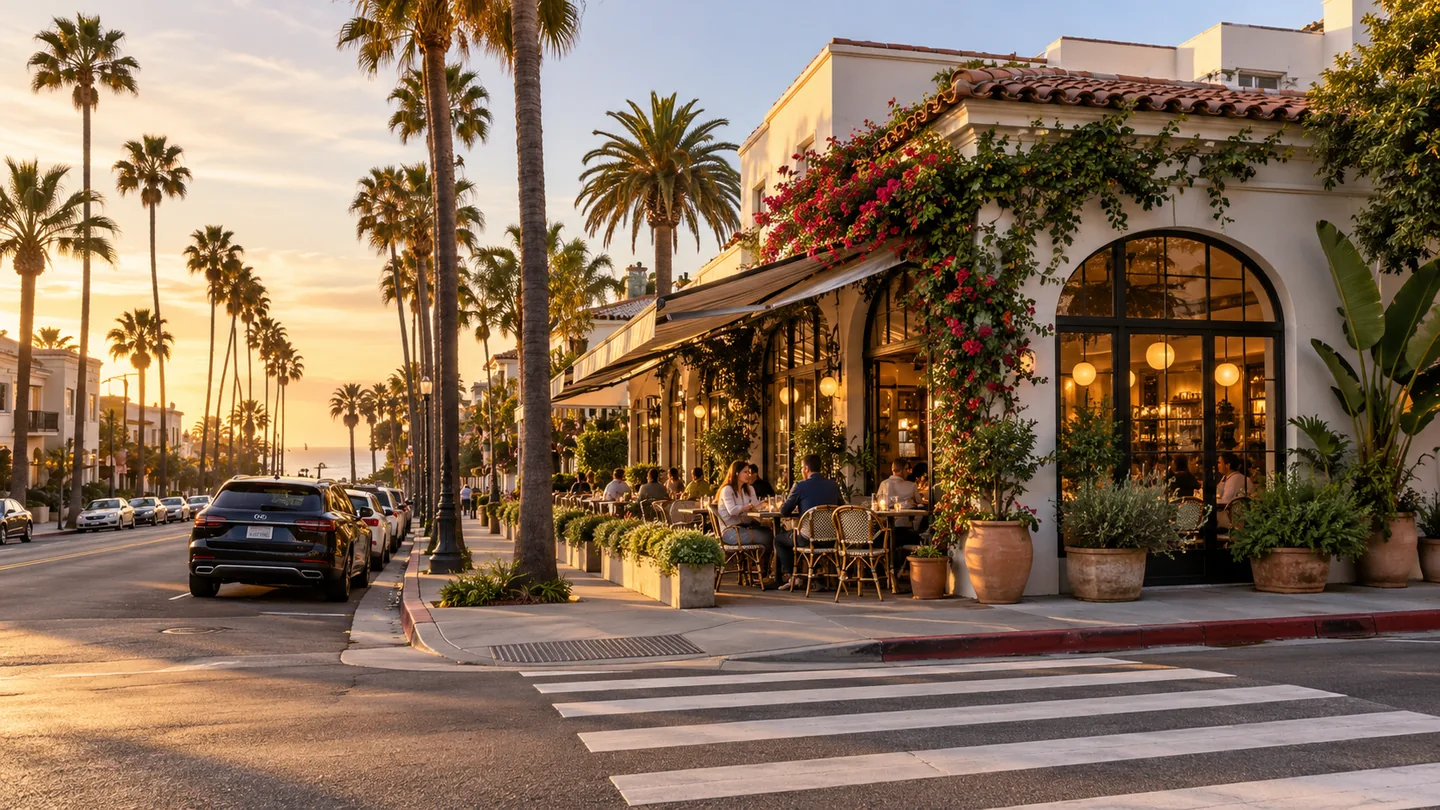
For outdoor seating, ask what happens if conditions make the table uncomfortable. Our guide to outdoor dining environments explains why shade, wind, sound, and a fallback plan can matter as much as the appearance of a patio.
Decide how food will reach the table
Individual ordering gives guests control, but a large party can place many different requests on the kitchen at once. A fixed menu simplifies coordination if the choices suit the group. Family-style service can encourage sharing, but it requires thought about portions and dietary separation.
Review the menu before committing. Identify whether everyone has a satisfying option rather than a token substitute. Ask which modifications are practical and which requests need advance notice. Send essential dietary information through one agreed channel so it does not become scattered across several messages.
Our menu research guide offers a way to check current service menus and estimate the whole meal. For a group booking, the restaurant's confirmed event or group menu takes priority over a general menu found elsewhere online.
Settle payment before dessert
Ask whether the restaurant can provide separate checks, accept multiple payments, or split an amount evenly. These are different requests. A venue that accepts several cards may still need one combined bill. Explain the arrangement to guests before the meal rather than negotiating it while staff wait.
If one organizer will pay and collect contributions, agree on the method and expectations ahead of time. Consider how shared dishes and drinks will be handled. An even split is simple only when everyone understands and accepts it; otherwise it can create a quiet burden for someone who ordered less.
For a hosted celebration, tell the restaurant discreetly who should receive the bill. If guests may purchase extras themselves, make that boundary clear. The aim is an ordinary, comfortable finish to dinner, not a performance of administrative efficiency.
Send one useful final message
The final plan should contain the restaurant's exact address, reservation name, arrival time, and any transport or booking detail guests actually need. Include the menu approach and payment arrangement. Avoid forwarding a long chain in which the important answer is buried.
Plan the arrival as part of the gathering. Our parking and transportation guide explains how to check entrances, return travel, and pickup arrangements without guessing availability or walking distances. For a large party, a clear meeting point can be more valuable than a precise minute-by-minute schedule.
Once the essentials are confirmed, leave some room for the evening to unfold. A well-planned restaurant gathering gives people fewer practical decisions to make at the table. That frees the group to enjoy the reason it came together.