Restaurant Stories
How Greenwich Village Inspired American Neighborhood Restaurants
Explore the hospitality ideas associated with Greenwich Village and how a neighborhood identity can travel without becoming a costume.
Restaurant heritage · Neighborhood dining · California character
The neighborhood dining issue
From a Greenwich Village idea to a San Fernando Valley address. Stories of food, place, and the art of gathering around a table.
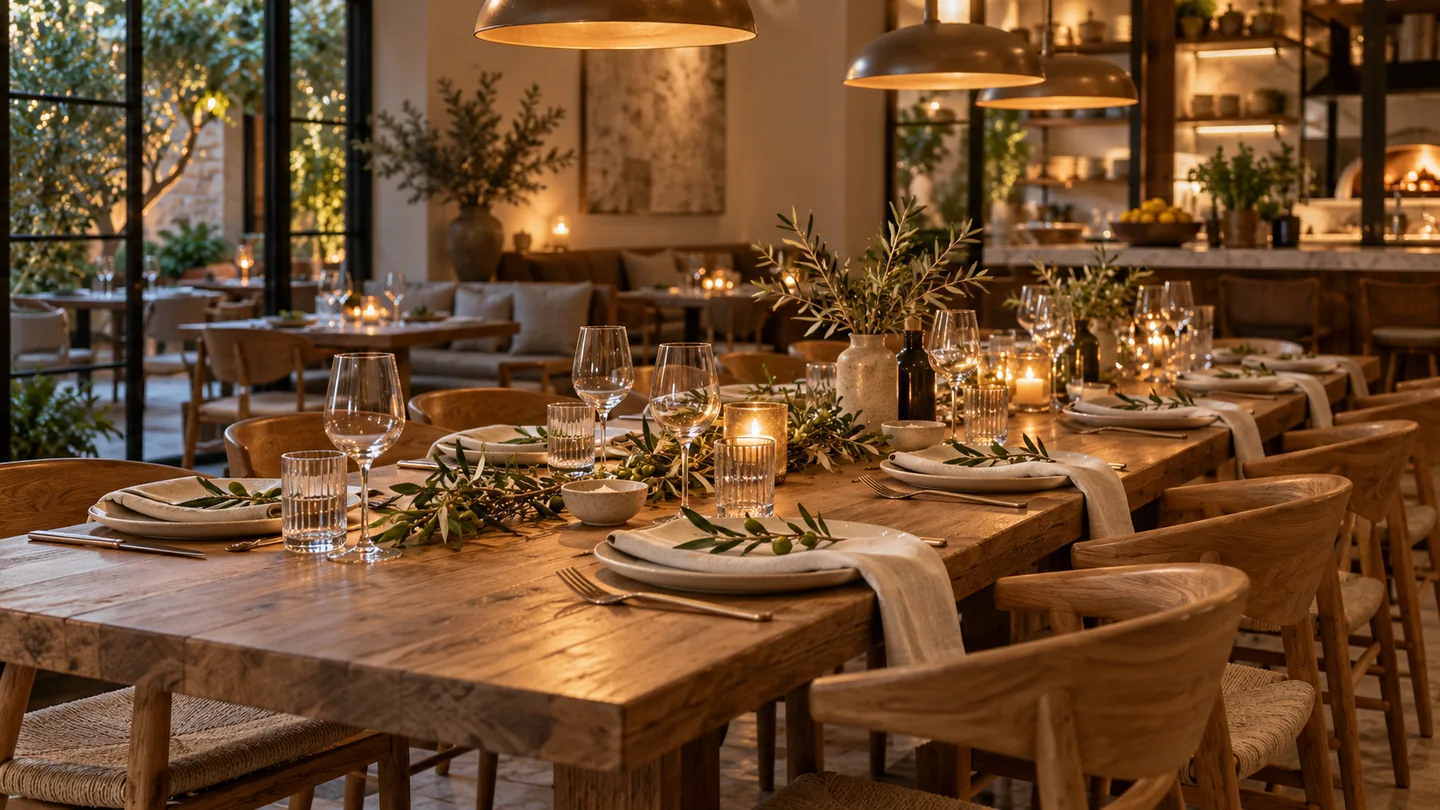
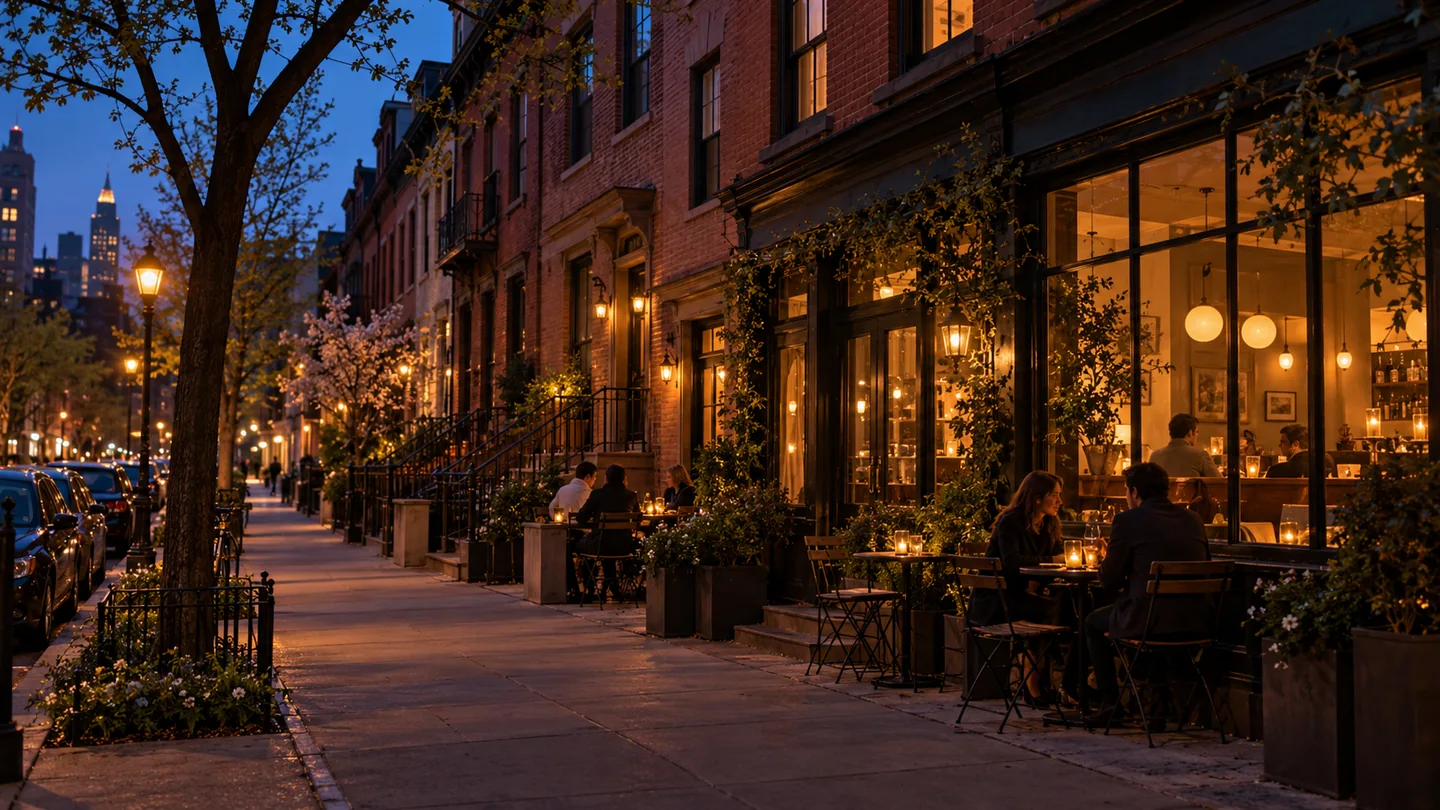
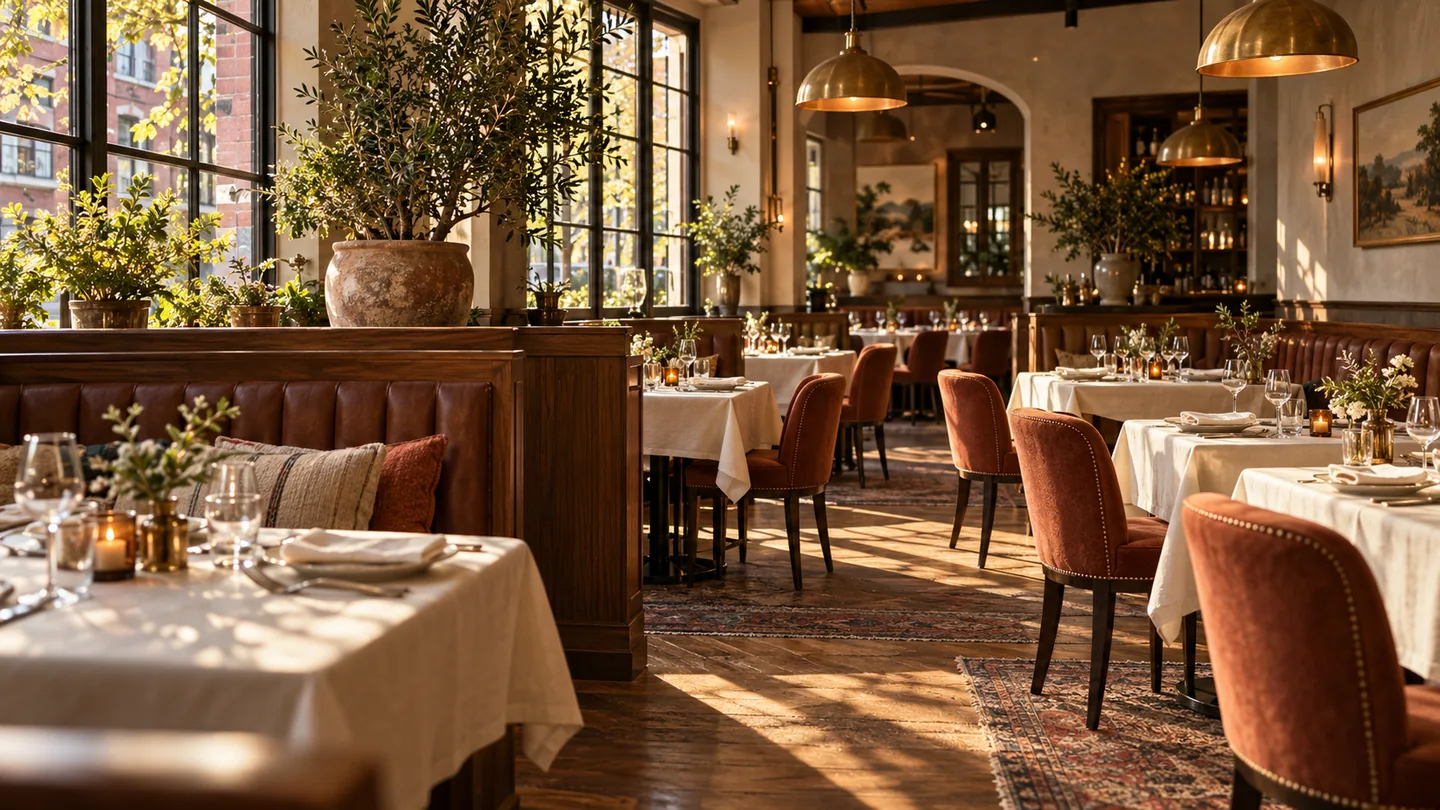
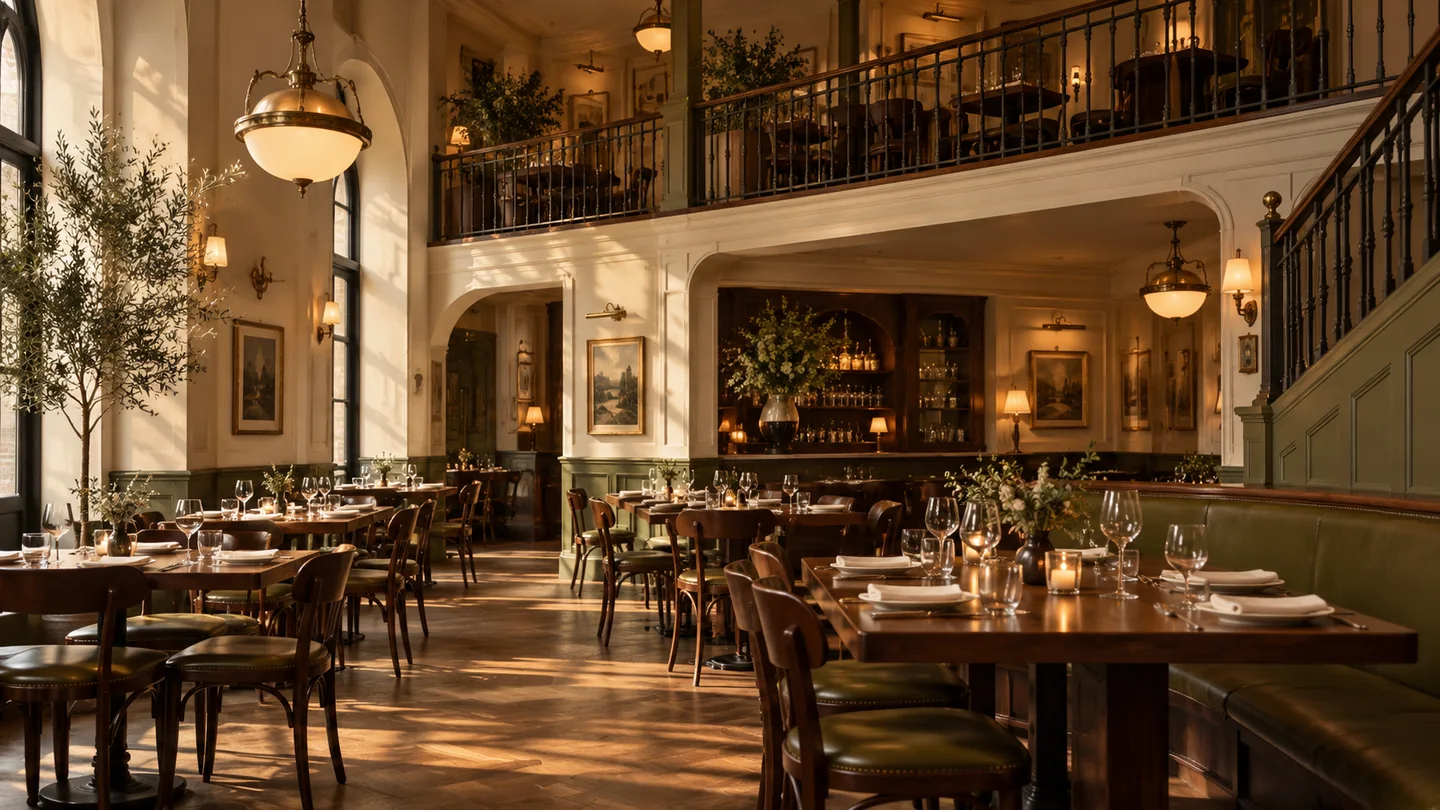
Read the Tarzana story ↗AI-generated editorial illustration. An imagined dining room, not the historical Bleecker Street.
The restaurant story
The Bleecker Street Restaurant & Bar belongs to Tarzana's restaurant history: a California dining concept that looked toward Lower Manhattan for its name and atmosphere. Its historical address was 5442 Yolanda Avenue, near Ventura Boulevard. This publication approaches that story as an independent retrospective, with room for the wider subjects it opens up: neighborhood hospitality, American menus, gathering around a table, and the character of a dining room.
A historical Urban Dining Guide listing describes Greenwich Village inspiration and mezzanine seating. Those descriptions document how the restaurant was presented; they do not establish what a visitor would find there today. GAYOT's listing labels the restaurant closed, and a September 2021 What Now Los Angeles report discussed a proposed replacement at the address after Bleecker Street had closed. No reopening has been verified for this edition.
Read the restaurant's Tarzana story for the evidence and its limits. The distinction matters: an old listing can preserve a restaurant's identity without serving as a present-day invitation to book a table.
Explore the hospitality ideas associated with Greenwich Village and how a neighborhood identity can travel without becoming a costume.
A thoughtful look at menus, service, seating, sound, and the everyday welcome behind a useful neighborhood restaurant.
Read Tarzana through its dining geography, everyday meal occasions, and changing neighborhood restaurant spaces.
Food & hospitality
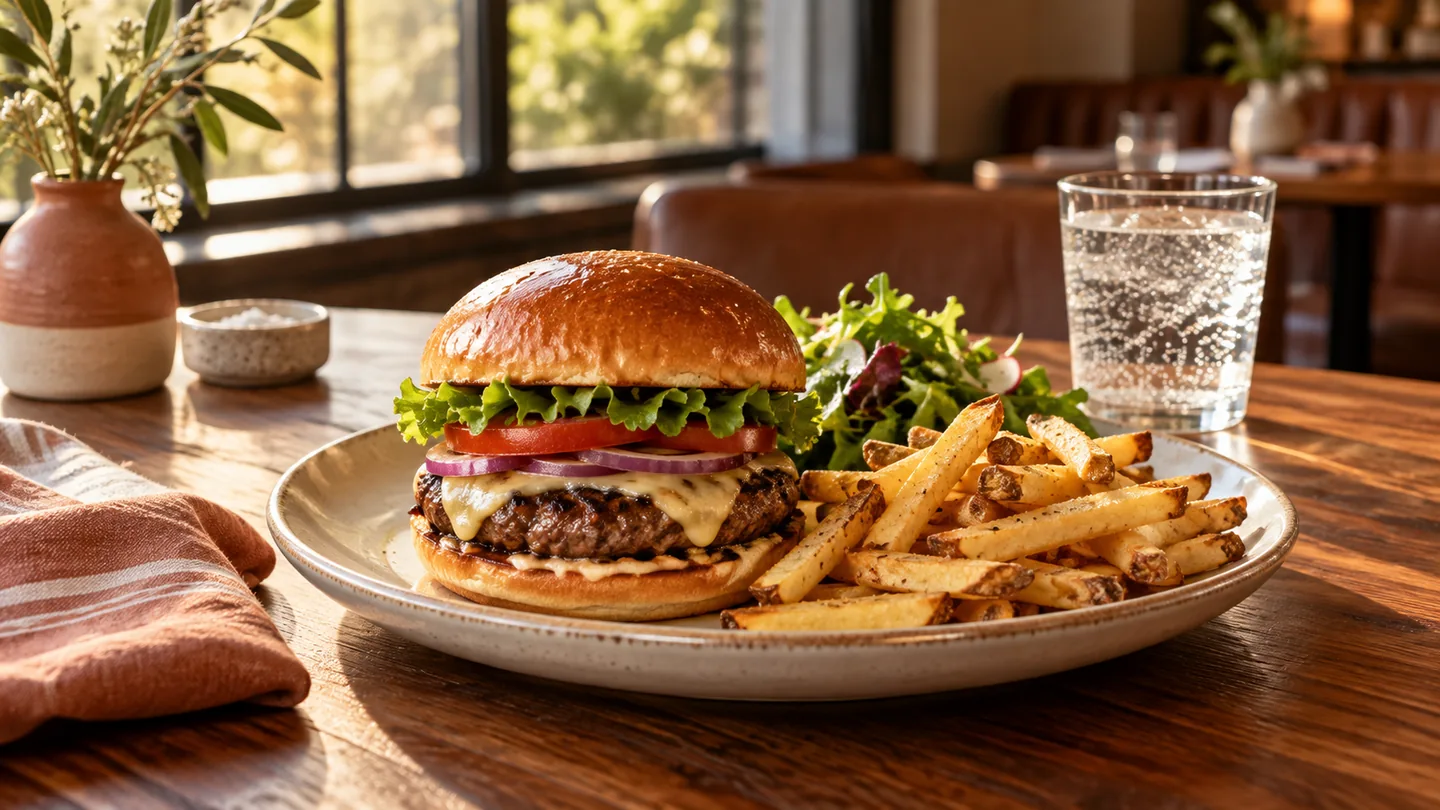
A neighborhood restaurant has several jobs at once. It needs to serve a satisfying meal, accommodate different appetites, and offer a setting that makes conversation possible. A bar stool, a booth, and a long table may occupy the same room, yet each supports a different kind of evening. The design works best when those uses complement one another rather than compete for attention.
American bar-and-grill menus often combine familiar formats: sandwiches, salads, substantial main dishes, shareable starters, and sides. That flexibility can help a group whose members want different meals. It also creates questions worth asking. Are the portions intended for sharing? Does the kitchen support substitutions? Can a guest order a lighter plate without assembling dinner from extras?
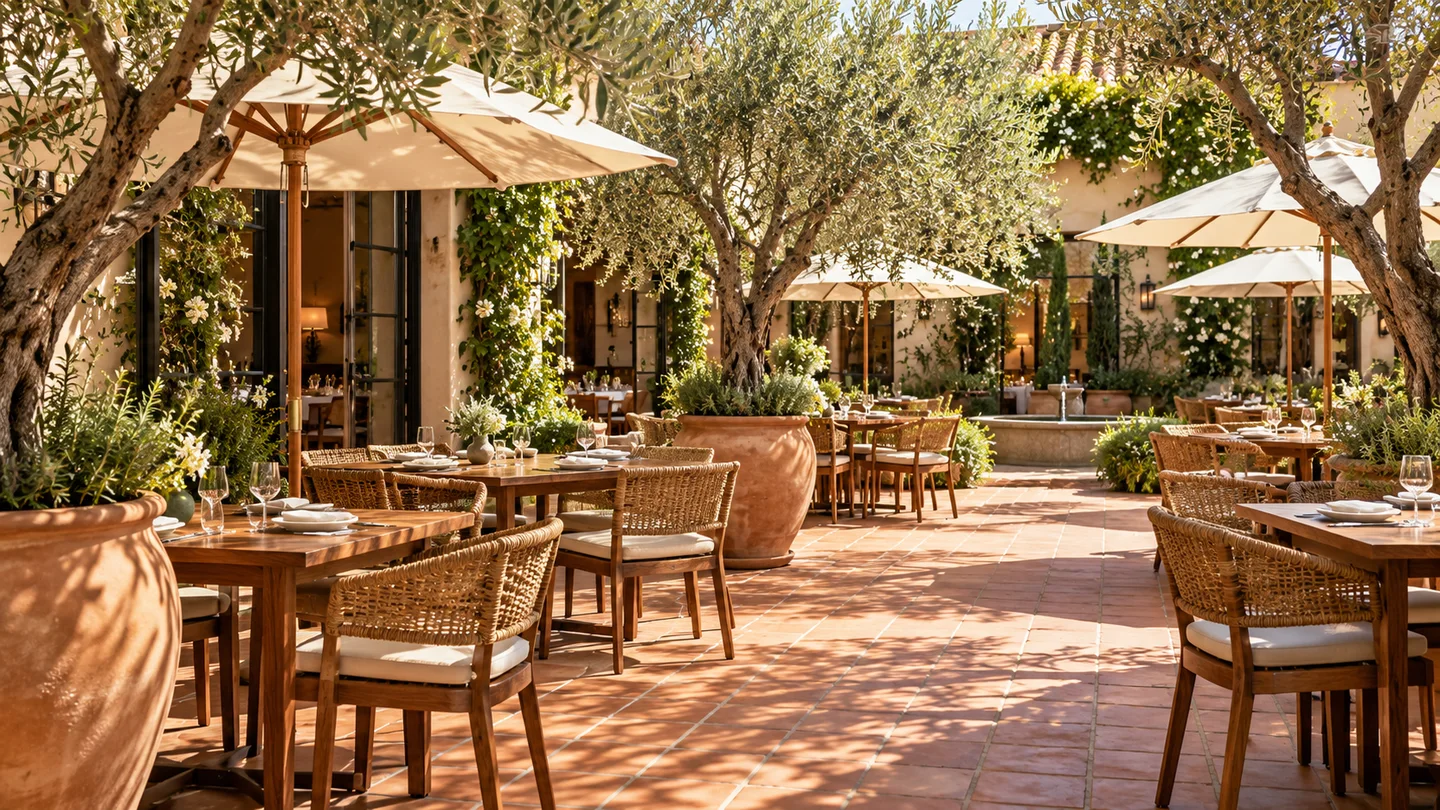
California dining adds practical choices about light, shade, indoor comfort, and the relationship between a restaurant and the street outside. A bright patio may suit an early meal, while a quieter indoor corner may suit a longer conversation. These are ways to evaluate a restaurant, rather than promises about any particular address. Our bar-and-grill feature looks at how food, service, and room design fit together.
Good hospitality is also legible. Guests should be able to understand where to wait, how ordering works, and whom to ask for help. A beautiful room becomes easier to enjoy when the practical details are clear. That is why our dining coverage gives the everyday experience as much attention as the visual impression.
At the table
A menu is more than a list of dishes. Its organization reveals whether a restaurant expects a quick meal, several shared courses, or a leisurely dinner. Small plates followed by larger dishes suggest one rhythm; sandwiches with included sides suggest another. Before choosing a restaurant, look at the whole structure, not only the item that first catches your eye.
For early comparisons, restaurant menu guides can help organize food categories and reported price information. Treat third-party guides as starting points, then confirm the exact location, service period, and current offering with the restaurant. An attractive menu photograph may be old, and a delivery platform may show different prices or a smaller selection than the dining room.
Read descriptions for cooking methods, included accompaniments, and optional additions. A price beside a main dish says less about the final bill if sides are separate. Guests with dietary requirements should ask about ingredients and preparation directly; a short description cannot answer every kitchen question. Our guide to reading a restaurant menu before you dine turns that research into a simple sequence, from checking the source to asking a useful final question.
For a shared meal, compare complete choices rather than headline prices. A group might prefer individual mains, a few starters for the table, or a set arrangement offered by the restaurant. Establishing that preference early prevents one person's idea of a casual dinner from becoming another person's unexpected expense.

A useful first question
Is this the menu for this location, this meal, and this service period?
“A restaurant’s character lives in the details that let people feel at ease.”
An editorial observation · The Bleecker Street
A sense of place
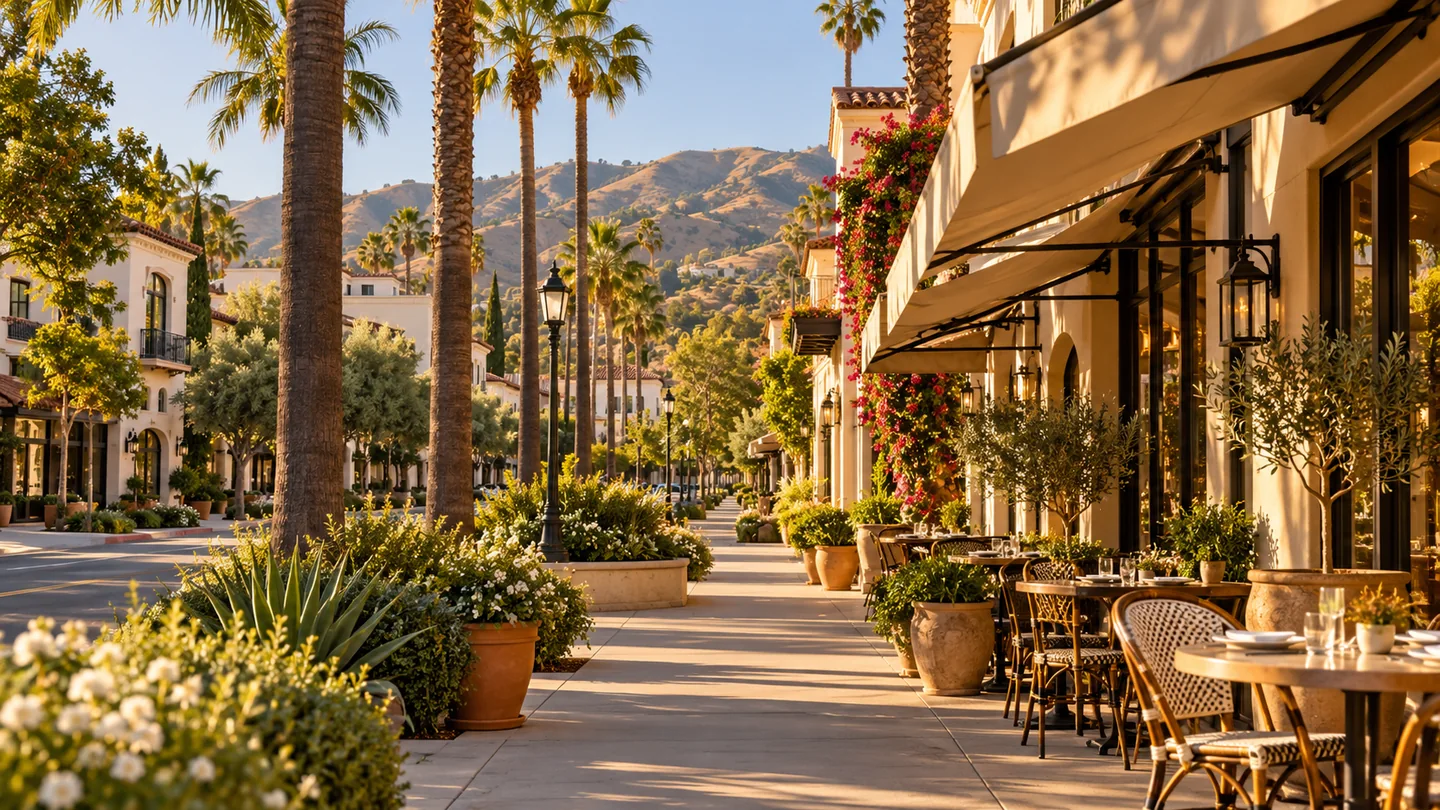
Tarzana places this restaurant story in the San Fernando Valley, within Los Angeles rather than in the dense streets of Manhattan. That geographic difference makes the borrowed Village idea interesting. A dining concept can carry the suggestion of a New York evening while operating within a California neighborhood's different distances, streets, and patterns of arrival.
Neighborhood dining is easier to understand by looking at ordinary decisions. Some meals happen near home because the trip is simple. Others become meeting points between friends traveling from different areas. A weekday dinner may depend on timing and convenience; a weekend gathering may allow more room for conversation. The same restaurant can serve several of these purposes without requiring a grand occasion.
Our Tarzana dining culture article considers that relationship between place and habit. It does not rank current businesses or turn old listings into recommendations. For an actual outing, identify the business now operating at your chosen address, check its own current information, and make a separate travel plan. Keeping historical interest and present-day decisions distinct makes both more useful.
Before you go
Arrival deserves a place in a dining plan. Confirm the entrance as well as the street address, especially if a restaurant sits within a larger development. Check whether everyone can use the intended entrance, reach the table comfortably, and leave by the same route. An outdoor table or an upstairs room may require different questions from a ground-floor dining space.
For public transportation in Los Angeles, begin with the LA Metro trip planner and use the intended day and return time. For driving, read the signs at the actual parking space; a map pin does not explain every restriction. Do not assume a historical restaurant listing describes today's parking arrangements.
If dinner is part of a larger outing to an arena, attraction, or event space, venue parking guides can support that separate part of the research. They are not a substitute for a restaurant's own access instructions or current local signs. Our restaurant transportation guide brings these checks together. Groups can also agree on a meeting point and arrival window, leaving each guest free to choose the travel method that works for them.
Browse by curiosity
Restaurant Stories follows the ideas behind dining rooms: borrowed influences, recognizable food formats, and the small design choices that shape hospitality. The Bleecker Street's historical identity is the starting point. Our feature on Greenwich Village and neighborhood restaurants broadens the conversation without claiming that every welcoming American restaurant follows one New York model.
Tarzana & Valley Dining keeps the geography visible. It connects restaurant culture with the setting of the San Fernando Valley, while our article on outdoor dining and atmosphere considers shade, seating, sound, and the comfort of a shared meal.
Food, Drinks & Dining Guides focuses on decisions readers can use: checking a menu, coordinating a table, and planning the trip. The group dining guide starts with the host's real tasks, including seating preferences, dietary conversations, and an agreed approach to the bill. Read across the three collections for context and practical detail, or choose the question closest to your next meal.
Restaurant ideas, heritage, and the culture of hospitality.
02The Valley setting, neighborhood life, and dining atmosphere.
03Menus, shared tables, and practical plans for going out.
Find the right service menu, estimate a complete meal, and ask useful questions about portions, prices, and dietary needs.
Coordinate the budget, booking, table, menu, and payment plan so a shared restaurant meal feels comfortable.
Check the exact entrance, parking conditions, transit journey, access requirements, and return trip before dinner.
Understand how light, sound, shade, seating, and access shape the comfort of a restaurant meal indoors or outside.
A carefully sourced retrospective on a former Tarzana restaurant, separating the surviving record from cultural interpretation.
How we work
This publication separates a documented statement from an interpretation. A dated report can support what was proposed at the time. A restaurant directory can preserve an address or a description, but it may retain stale hours beside a closure notice. Neither should quietly become a claim about today's service. Where evidence stops, our account stops with it.
General dining guides serve a different purpose from restaurant history. They explain useful questions and choices without pretending to be firsthand reviews. We do not supply invented visits, guest quotations, credentials, or promises of availability. Illustrative imagery supports the mood of the publication and is identified as such; it is not archival evidence of the historical restaurant.
Read About Us for the publication's scope and the Editorial Policy for its approach to sources, corrections, and external references. Practical details that can change belong with current operators and official services, even when an older account remains valuable for understanding the past.
The last course
A restaurant can disappear from a street while its name remains in directories, old menus, and neighborhood conversations. Those traces deserve careful handling. They can tell us how a place described itself, where it stood, and which ideas it borrowed. They cannot recreate every evening or settle every memory.
The Bleecker Street offers a useful starting point for a wider appreciation of dining culture: a name associated with Manhattan, an address in Tarzana, and questions that extend beyond one dining room. How does a space welcome a group? What does a menu communicate? Which practical details let guests relax once they arrive? Reading those details thoughtfully brings the story back to the table, where food, place, and company meet.
There is room here for nostalgia without turning it into evidence, and for useful planning without turning every meal into a project. Keep the questions that make a difference, verify the details that change, and leave enough space for the people sharing the table.